.svg)


.webp)
ABRAJ Cementing Technologies
Engineered slurry systems built for Oman's most demanding wells
Proprietary cement blends engineered by ABRAJ's cementing team to solve the challenges that conventional slurries cannot — light weight slurries with high strength, acid-soluble loss-circulation plugs that drill through cleanly, and self-healing slurries that reseal cracks autonomously across the life of the well.
Why proprietary cementing
Engineered lightweight cement blend system
AbraLITE
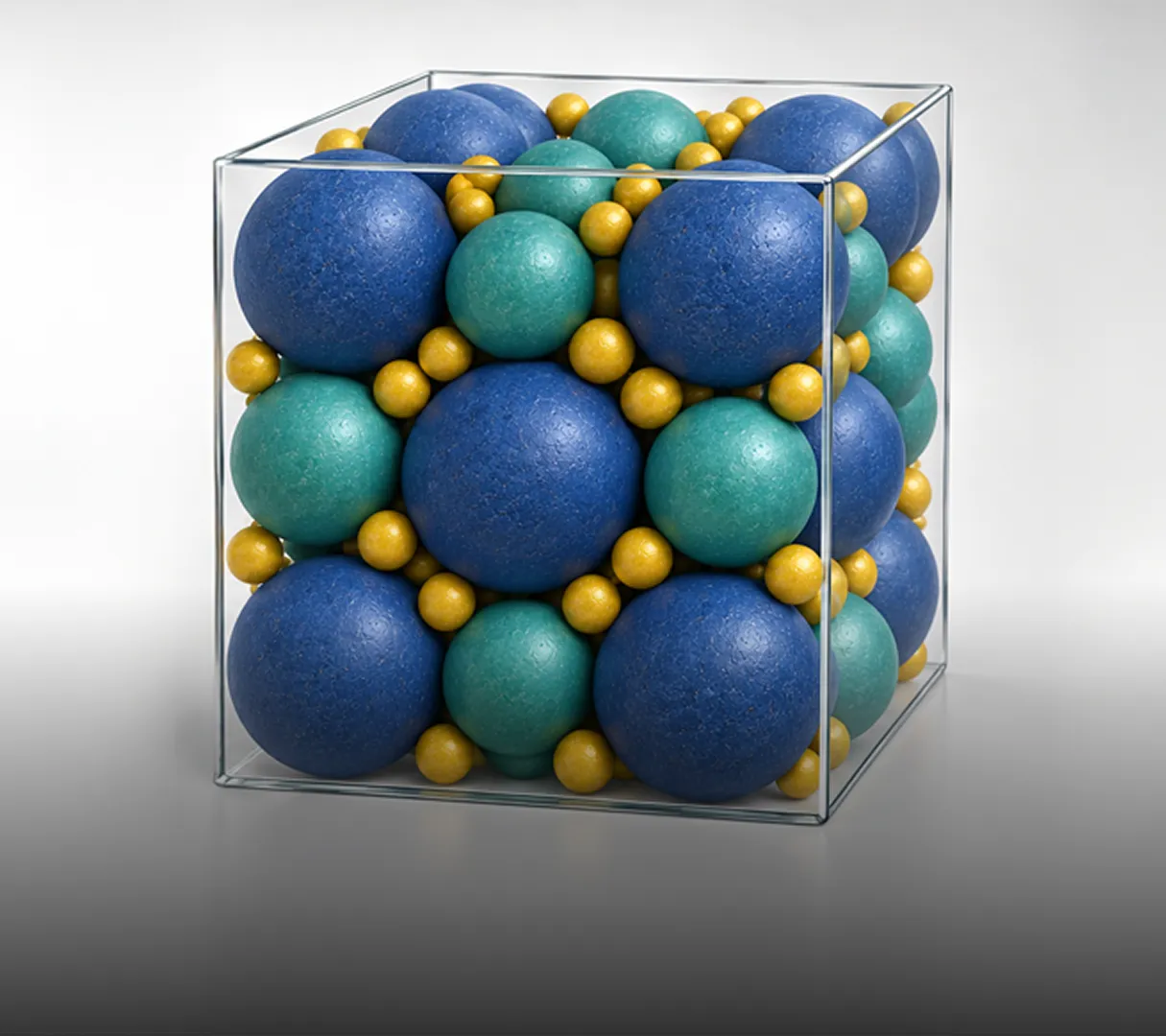
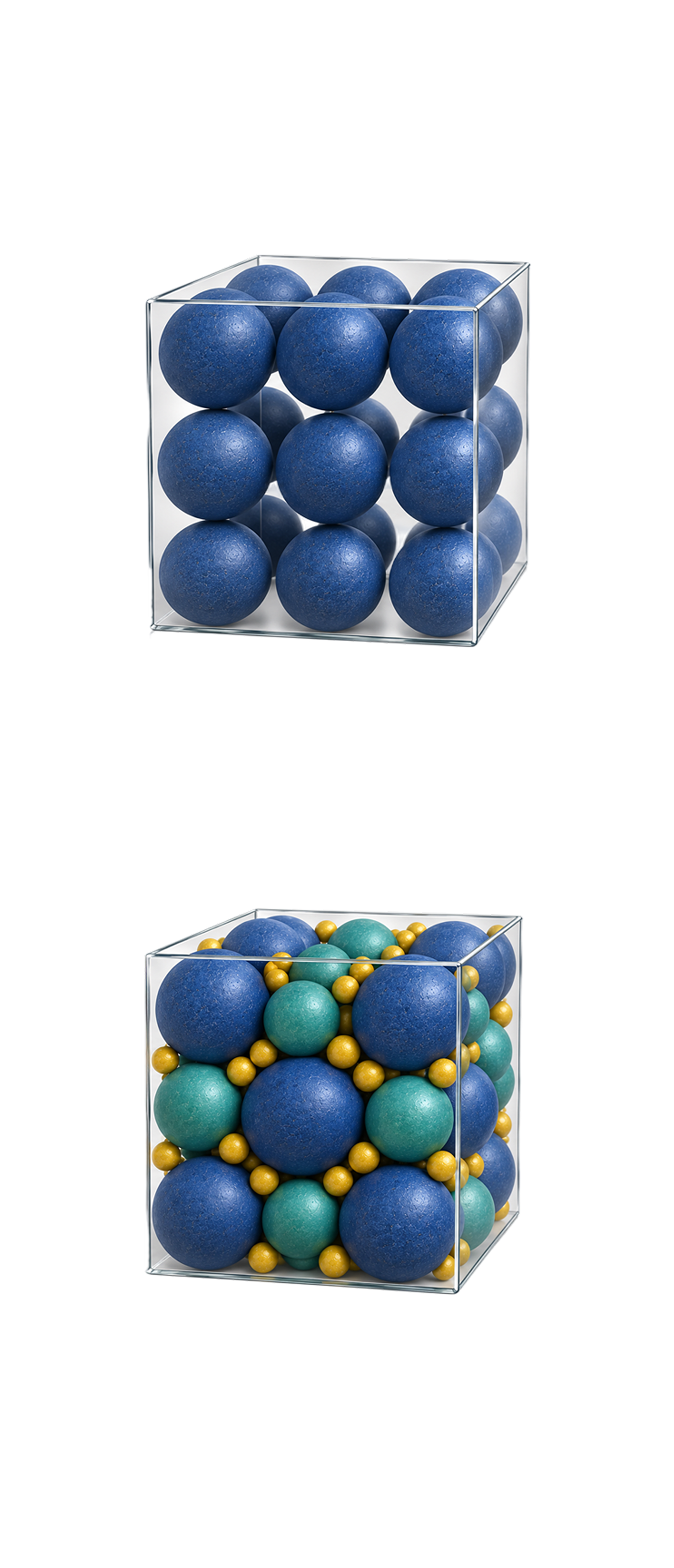
High solids. Low density. Higher compressive strength cement barriers. AbraLITE uses engineered particle-size distribution to combine engineered blends, lightweight placement, low permeability, and design flexibility needed for demanding well conditions.
50%
Solid fraction
vs 23% conventional
0.01 md
Permeability
vs 10 md conventional
> 1,300 psi
Compressive strength (surface)
vs < 350 psi conventional
.webp)
Where AbraLITE adds value
Weak or low-fracture-gradient formations
Loss-prone intervals where cement-to-surface is critical
Deep intermediate casing requiring robust zonal isolation
Gas and sustained casing pressure (SCP) challenges
Benefits
Low density without excessive mix water
High early strength with very low permeability
Minimal reported shrinkage for barrier integrity
Flexible design window across multiple well objectives
Field highlights
A major Omani operator — Gas-tight solution deployed where sustained casing pressure and losses were the key challenges
Deep intermediate casing (HP) — AbraLITE HP pumped where zonal isolation and well integrity were critical under a low fracture gradient
Ultra-AbraLITE — 7.5–10.5 ppg system for curing and shielding formation losses
AbraLITE
10.5 – 14.5 ppg
Baseline lightweight blend
Ultra-AbraLITE
7.5 – 10.5 ppg
Curing and shielding formation losses
AbraLITE HP
0.5 - 14.5 ppg High-pressure particle designs.
AbraLITE GSP
AbraLITE with Gas Stop Package
AbraSOL
.webp)
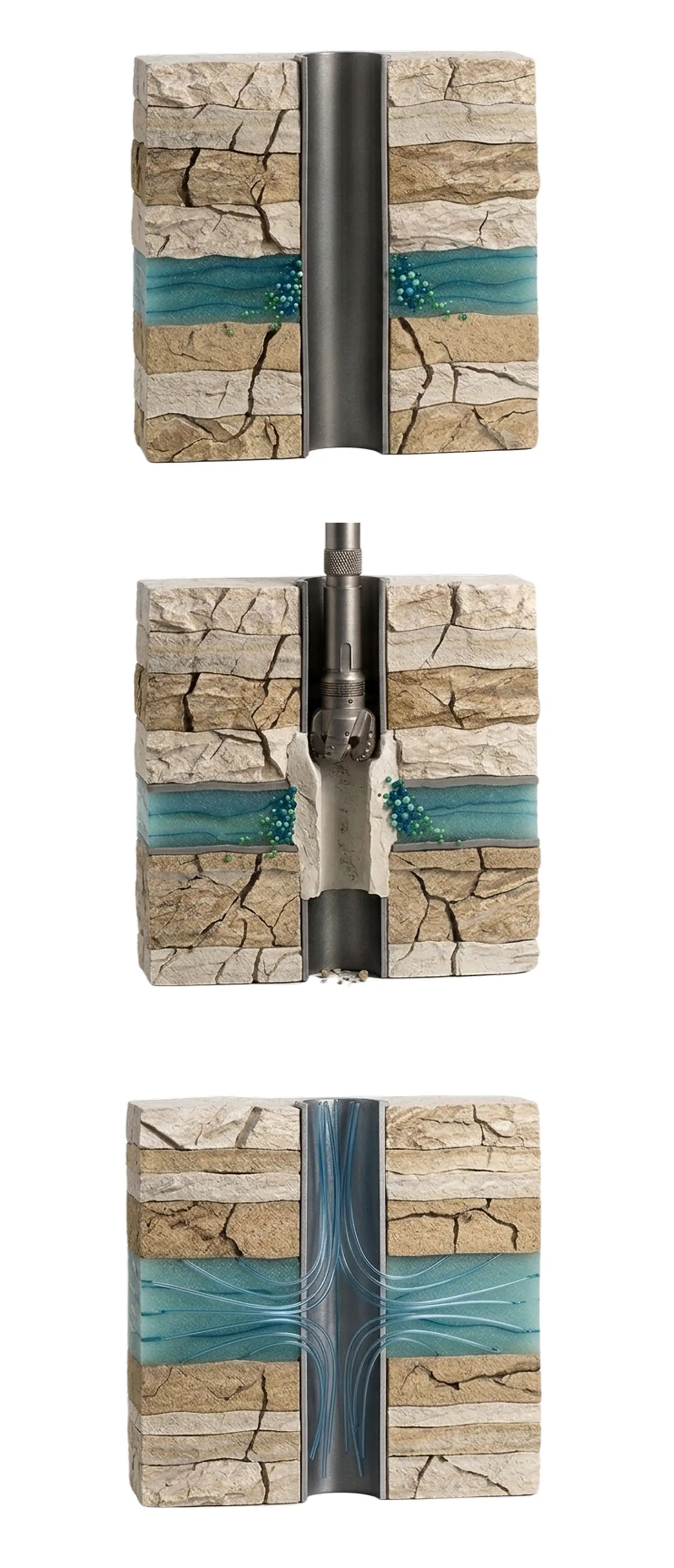
Zero sidetrack risk
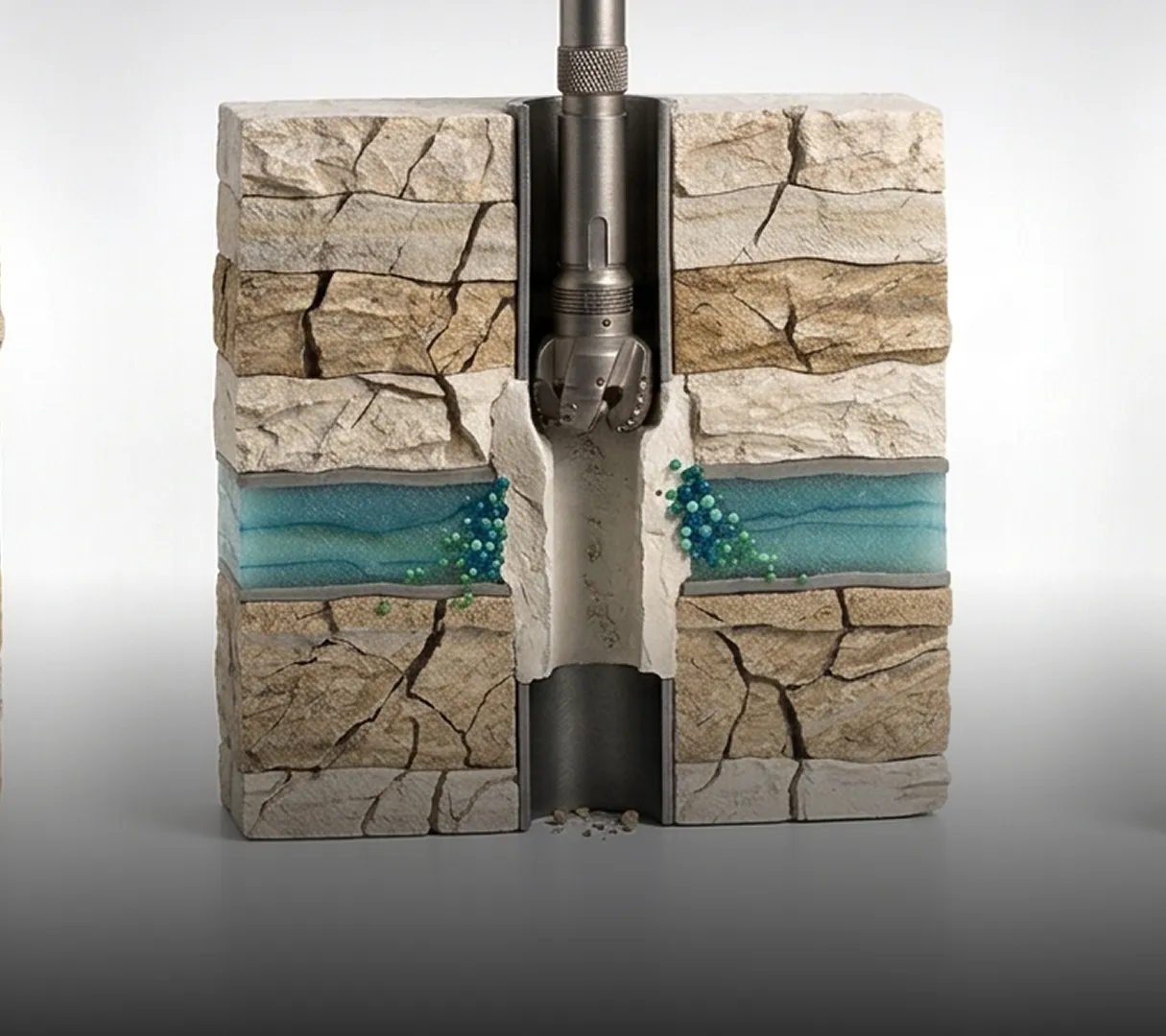
Drills through the plug cleanly, protecting the wellbore trajectory
Fully soluble
Dissolves on demand, leaving no solids or restrictions behind
Faster response
Less on-site mixing time means less drilling fluid lost to the zone
Features
Improves response time to flow and loss scenarios by saving on-site mixing time and reducing lost drilling fluids
Strengthens the formation while remaining easy to drill, without sidetrack risk
Can be spotted through the BHA
Completely dissolves with acid
Applications
Loss-circulation control across reservoir and hydrocarbon-bearing zones
Temporary plug and formation strengthening ahead of drilling
Zones where sidetrack risk must be eliminated
Well cleanout by acid dissolution instead of a mechanical drill-out
Self-Healing Cement Blends
AbraLIFE
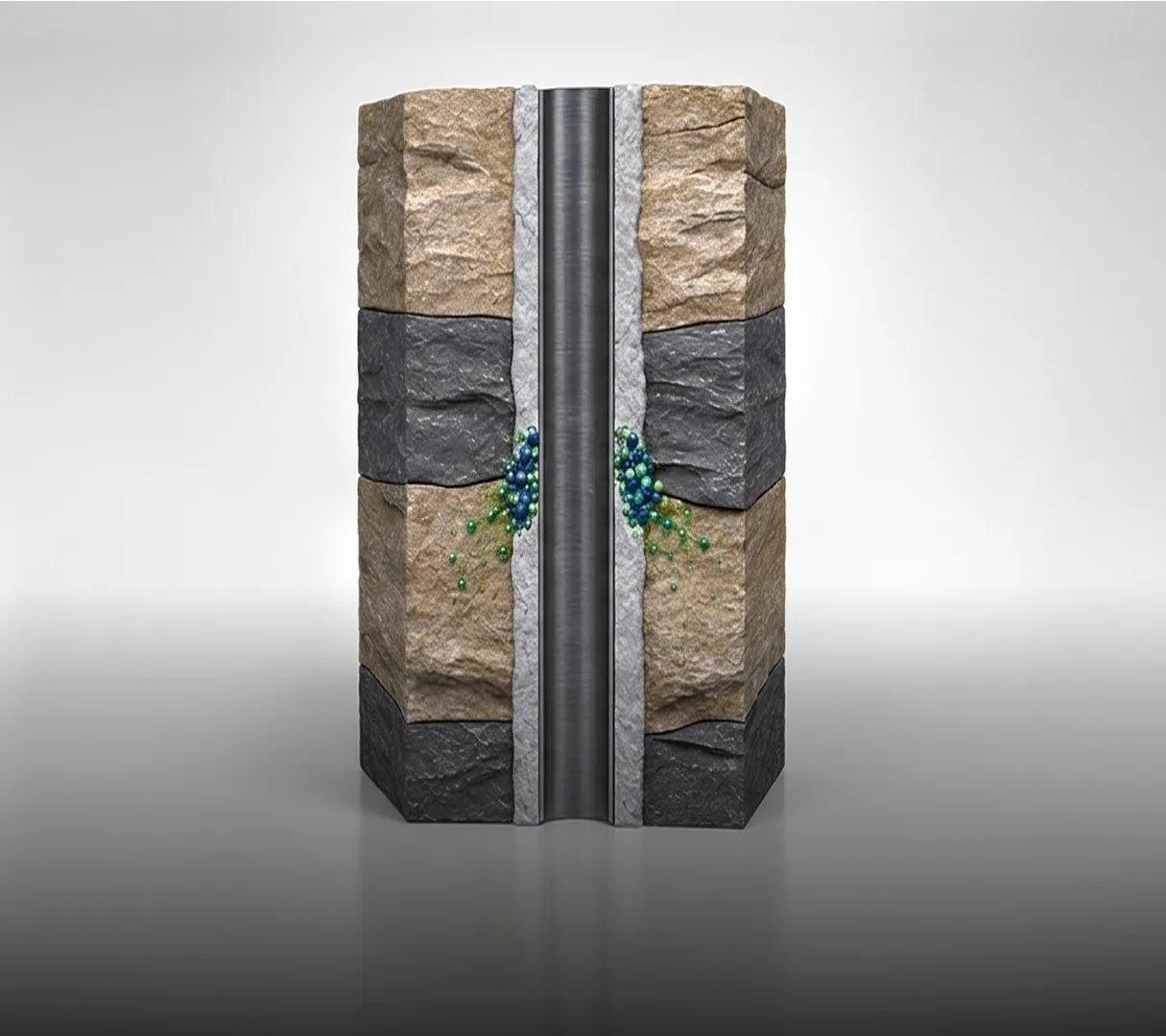
Reactive blend that reseals cracks and microannuli automatically — for the life of the well when comes in contact with hydrocarbons. ABRAJ's own laboratory testing of AbraLIFE demonstrates that the reactive particles swell on contact with hydrocarbon and expand into the fracture path. Cracked set-cement samples exposed to a methane/ethane stream showed the healing reaction closing the fracture and cutting fluid flow — a self-sealing response that continues to protect the cement sheath after placement.
≈ 51%
Solid volume fraction (SVF)
High compaction
Continuous
Reactive protection
Active for the life of the well
Up to 15.8 ppg
Engineered density range
13.5 - 15.8 ppg typical slurry density
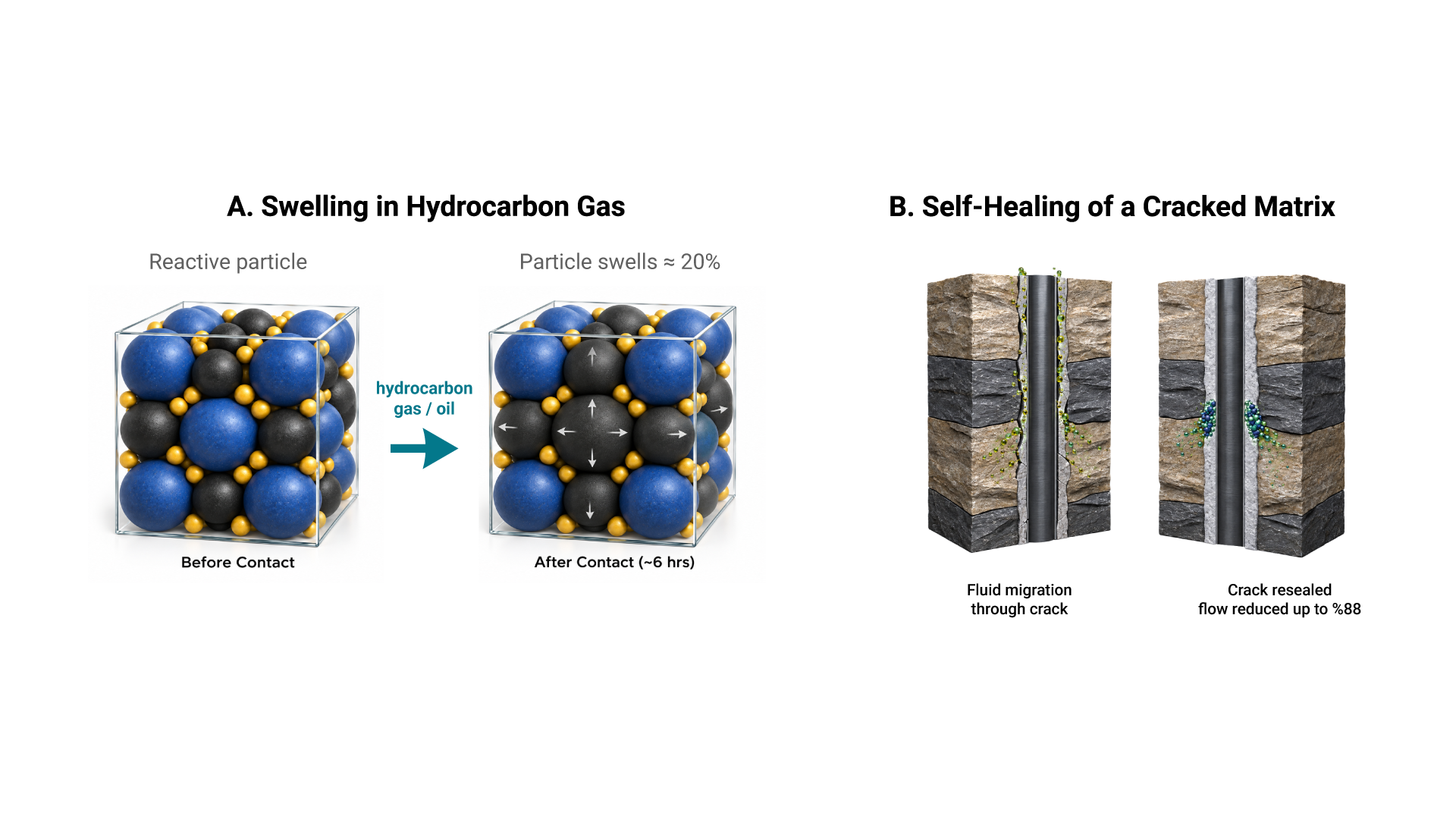
How it works
1
Reaction stage
Reactive particles are distributed uniformly through the set cement matrix
2
Contact stage
Upon hydrocarbon contact, the particles swell and expand into the open flow path
3
Matrix stage
The expanding matrix reseals the crack or microannulus, restoring long-term isolation
Features
High solid volume fraction (SVF ≈ 51%) with excellent compaction
Reactive particles that swell on contact with hydrocarbon gas or liquid
Good rheology and fluid-loss control, with stable, non-settling slurry
Engineered across a density range — AbraLIFE up to 13.5 - 15.8 ppg
Remains reactive and continues to reseal for as long as cement is in the annulus
Laboratory tests showed excellent swelling reaction to methane / ethane stream. Higher reaction with heavier hydrocarbon fluids.
Applications
Lead and tail slurries in primary casing or liner cementing
Oil, condensate and gas wells
Plug and abandonment (P&A) operations
Zones prone to sustained casing pressure (SCP)
Why AbraLIFE
Continuous protection — unlike conventional slurries that only perform during placement, AbraLIFE stays reactive for the life of the well
Reduces remedial costs — autonomously reseals cracks and microannuli without costly well intervention
Proven in testing — stable, non-settling slurry with high SVF, verified swelling response and crack-closure performance
Choosing the right ABRAJ cementing technology
Use the table below to compare AbraLITE, AbraSOL, and AbraLIFE across primary role, target conditions, reservoir type, solubility, and the key differentiator — then engage our cementing engineers to finalise the slurry design for your specific well.
Field-tested
performance


Cementing technologies
FAQs
Common questions on ABRAJ's proprietary cementing systems, answered by the team that engineered them.
Brief-ready spec sheets

Request Consultation
Engineer the barrier around your well
Every well is different. Share the conditions — hole size, depth, temperature, pressure, formation, expected losses — and the ABRAJ Cementing Technologies team will recommend the right slurry system.
Request Technical EvaluationFill the form
Share your enquiry and a few details. Fields marked * are required.

