


Multi-Stage Pinpoint Fracturing
Fracturing, coiled tubing and well testing under one scope. Every stage is placed, isolated and measured, and the execution is documented in two SPE technical papers.



Overview
Tight sandstones and carbonates vary in stress, permeability and fluid content across the pay section, so a completion designed for the average is wrong for most of it. Plug-and-perforation adds a plug-set, perforate and mill cycle at every stage, and the time penalty grows with stage count. When the coiled tubing, fracturing and measurement crews come from different contractors, every stage change is a handover, and that is where waiting time and non-productive time (NPT) build up.
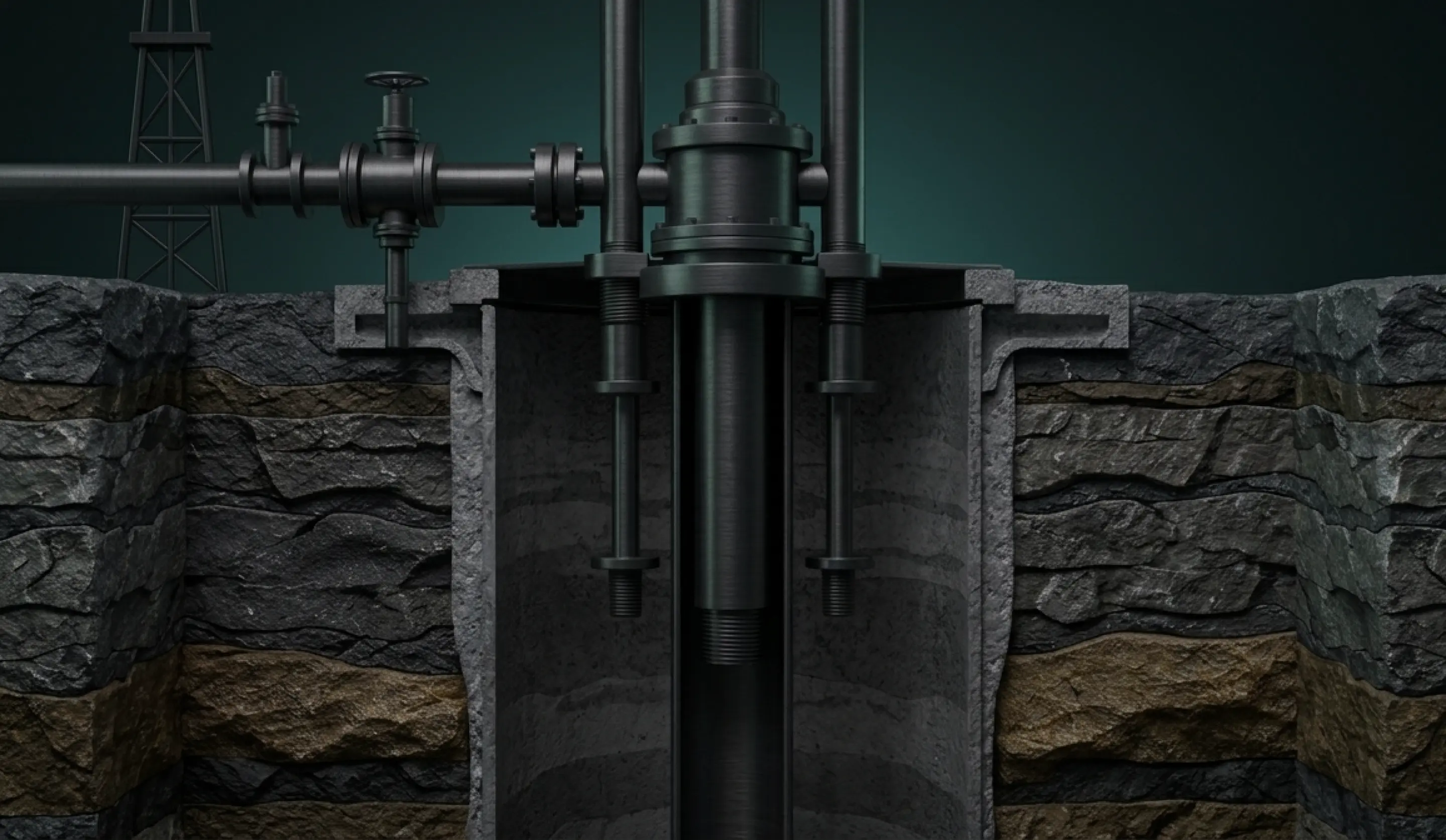
Pinpoint fracturing treats each interval separately. Coiled tubing positions the bottomhole assembly, abrasive hydrajet perforating opens the target interval, and a CT-conveyed resettable packer isolates the stage. The main treatment is pumped down the annulus while the coiled tubing carries fluid for pressure control, and flowback and production logging then measure what each zone contributes.
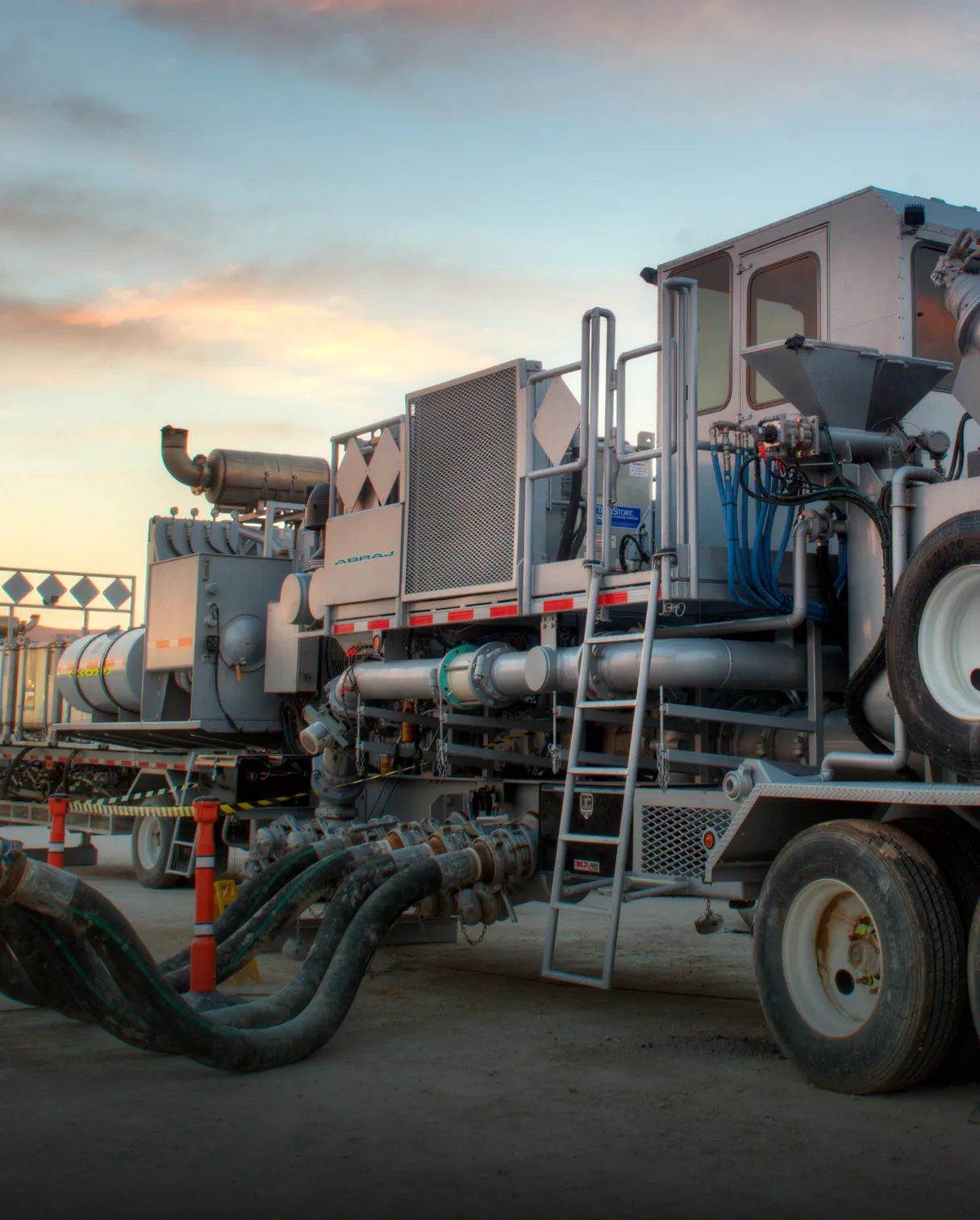
ABRAJ is the first Omani company in the MENA region to provide fully integrated fracturing services. It runs two dedicated hydraulic fracturing fleets in Oman, delivers fracturing, coiled tubing and well testing under a single integrated scope, and has documented its pinpoint execution in SPE-232509 and SPE-232358.
What the white paper covers
The precision problem
Complex reservoirs defeat averaged completions. The strongest intervals take the treatment, the weakest take very little, and pay is left behind. The paper shows how plug-and-perforation's repeated plug-set, perforate and mill cycle makes stage count a cost ceiling.
How multi-stage pinpoint fracturing works
The paper compares pinpoint fracturing side by side with plug-and-perforation, then sets out the three-phase workflow — pre-treatment planning (reservoir characterisation, zone selection and stage-specific design), execution (CT deployment, hydrajet perforating, mechanical isolation and CT-assisted proppant placement), and post-treatment (flowback, production logging and analysis against design).
The integrated execution loop
Place. Isolate. Measure. Repeat. Coiled tubing delivers the treatment, the fracturing fleet matches it to the interval, and well testing provides the evidence. One command structure, one data set and one point of accountability remove the waiting time between contractors at every stage change.
Industry benchmarks (third-party reference)
A clearly labelled box of publicly reported global results gives technical context and is kept separate from ABRAJ's own record. It explains why the technique produces gains: more reservoir contact, controlled fracture geometry, clean hydrajet perforations and even proppant distribution.
ABRAJ's documented programme
SPE-232509 and SPE-232358 set out ABRAJ's operational innovations and the execution controls behind consistent stage placement. They also report the time saved compared with plug-and-perforation and the lessons from a pioneering application in the region. Both papers are open to independent review.
Get the complete technical white paper
Download the full white paper to see how ABRAJ delivers fracturing, coiled tubing and well testing under one scope, with every stage placed, isolated and measured, as documented in two SPE technical papers.
Download White PaperFAQs
